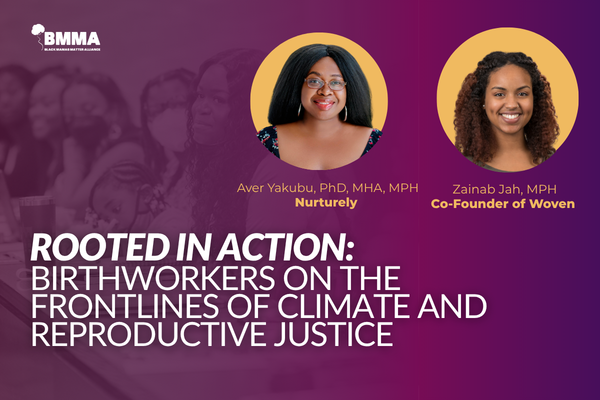
On May 27th, 2PM EST, this session takes a deeper look at two community-driven models integrating climate preparedness into birthwork. Zainab Jah of Woven shares the development and findings of the Sierra Leone Maternal and Child Health Climate Literacy Tool, a community-informed resource designed to educate pregnant people and providers about the health impacts of extreme heat. Aver Yakubu of Nurturely shares insights from their program, Wombs and Wildfires, including a collaborative report with Human Rights Watch on wildfires and reproductive health in Oregon, centering the experiences of doulas and community health workers on the frontlines of environmental crisis. Together, these models illustrate how birthworkers can serve as trusted advocates and first responders, and how community-rooted tools can advance reproductive and climate justice transnationally.
Objectives:
By the end of this session, participants will be able to:
By the end of this session, participants will be able to:
- Discuss the impacts of climate events on maternal and newborn health across diverse global and local contexts
- Describe how wildfire smoke exposure creates barriers to care and disproportionately harms marginalized pregnant people
- Identify the specific climate-related health challenges facing pregnant people in Sierra Leone, including the role of extreme heat, unpaid care work, and limited access to resources
Featured with registration:
- 2-hour course
- Continuing Education Units
- Teacher: Zainab Jah
- Teacher: Aver Yakubu
Price: 15
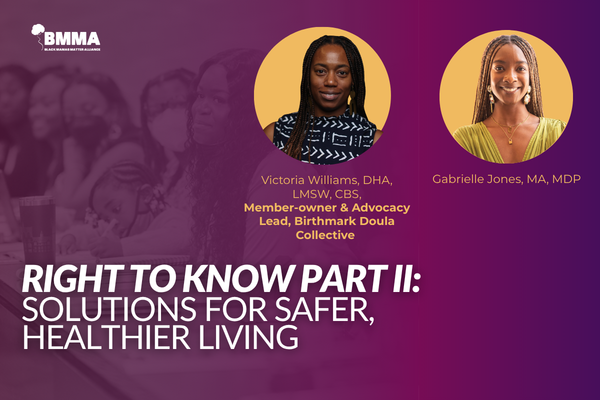
On Tuesday, June 2nd at 12:30PM EST, this session led by Birthmark Doula Collective's Victoria Williams and Gabrielle Jones, in this session will explore the impact of toxic chemicals and environmental hazards commonly found in personal care products, particularly those disproportionately marketed to BIPOC communities, and how exposure to harmful substances and reprotoxins affects maternal and perinatal health outcomes. The session will also provide practical tools for educating clients, patients, and communities on safer product choices and the importance of the “Right to Know.”
Objectives:
- Identify common toxic chemicals and environmental hazards frequently found in personal care and beauty products.
- Describe the relationship between toxic environmental exposures and maternal, reproductive, and perinatal health outcomes.
- Examine the impact of environmental racism, reproductive justice, and systemic inequities on exposure risk among Black birthing communities and other marginalized populations.
- Evaluate evidence-based strategies and safer alternatives for reducing toxic exposures during preconception, pregnancy, postpartum, and infancy.
- Apply practical education, advocacy, and community engagement tools to support clients, families, and communities in making informed health and consumer decisions
Featured with registration:
- 2-hour course
- Continuing Education Units
- Teacher: Gabrielle Jones
- Teacher: Victoria Williams
Price: 15